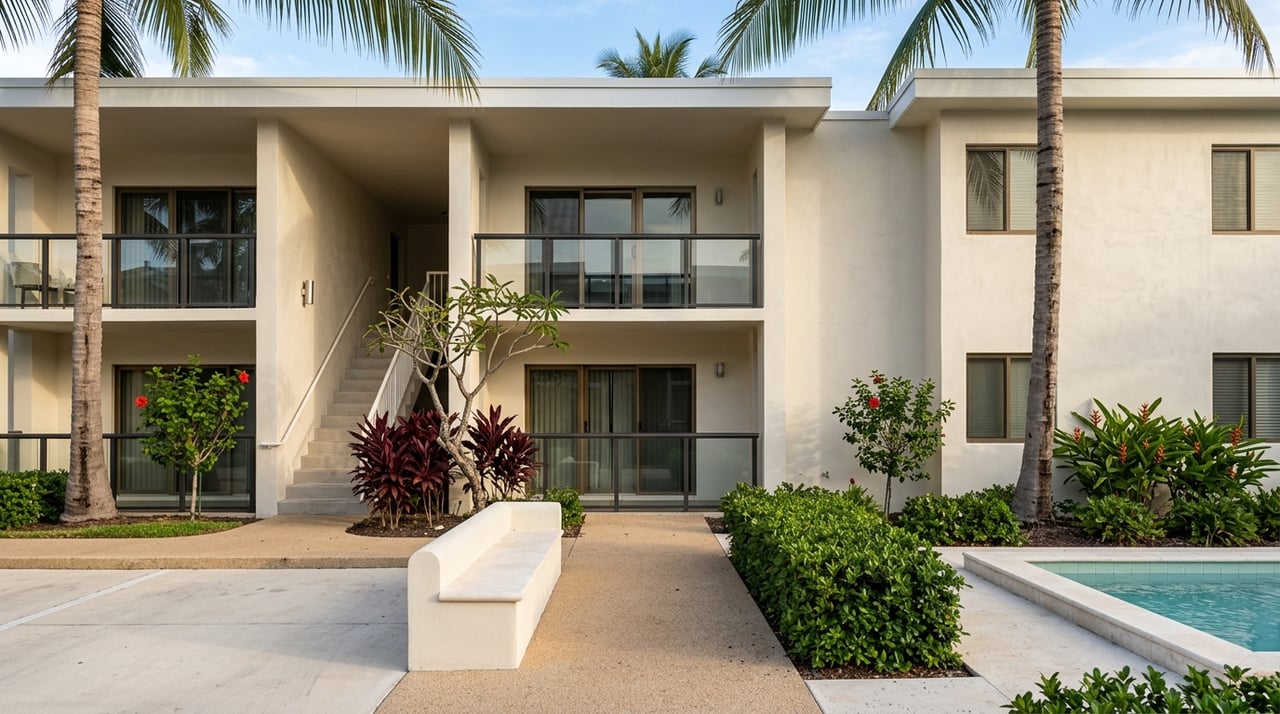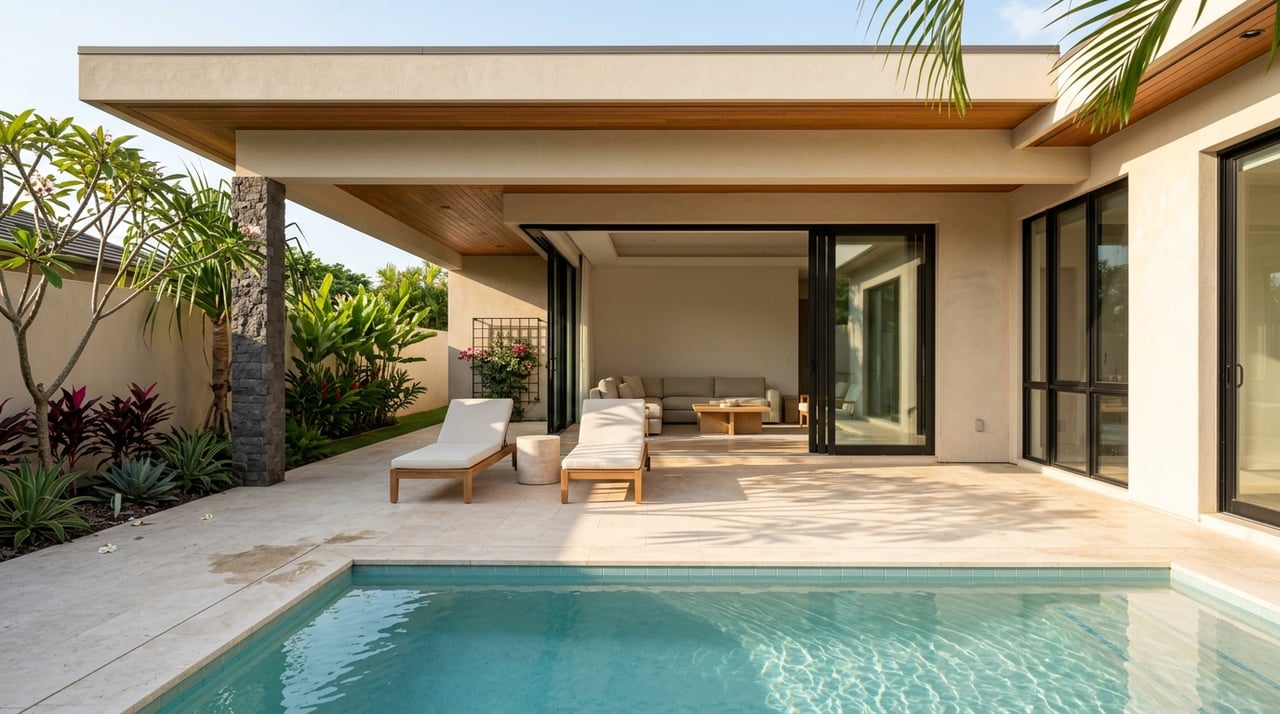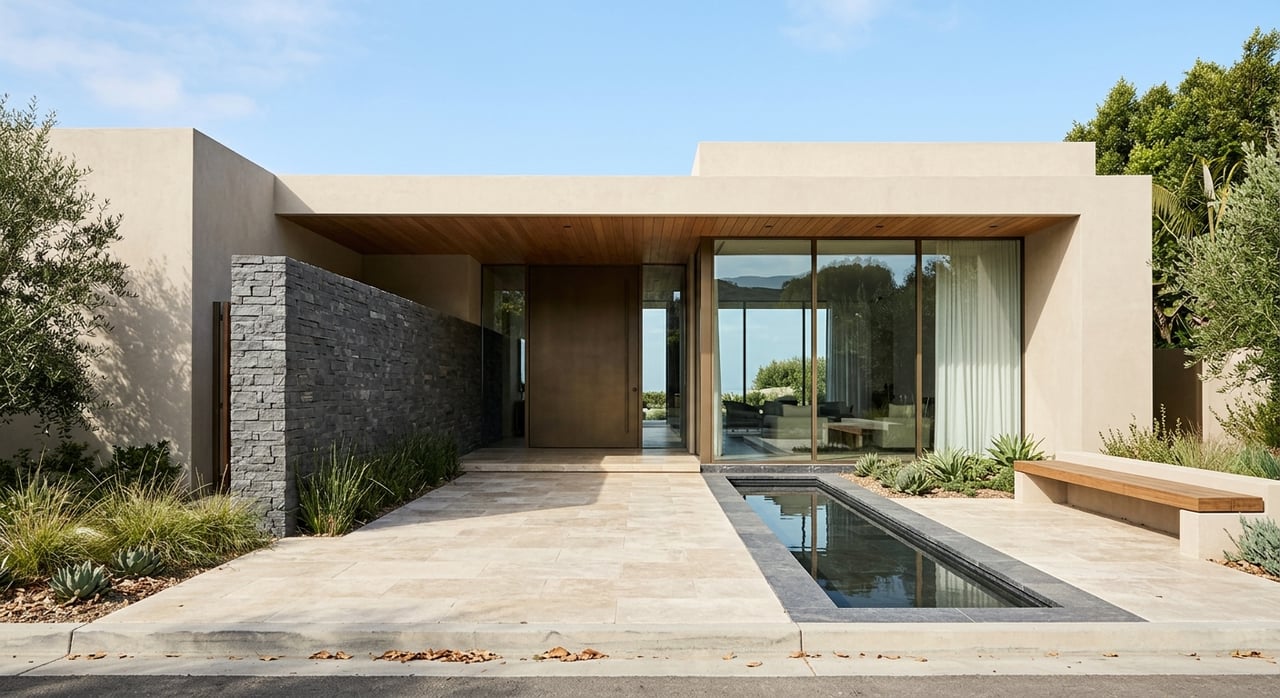
If you picture Maui as one long vacation, Wailea and Makena show you what that idea looks like in real life. This part of South Maui appeals to buyers and dreamers who want sun, ocean access, polished amenities, and a setting that still feels calm and scenic. If you are wondering what it is actually like to spend time here, this guide will help you understand the rhythm, contrasts, and everyday appeal of the resort lifestyle in Wailea and Makena. Let’s dive in.
What Sets Wailea and Makena Apart
Wailea sits along Maui’s sunny southwestern coast in a master-planned resort setting that stretches from the slopes of Haleakalā toward the Pacific. The area is known for its upscale oceanfront feel, with a landscape shaped around resorts, residences, golf, beaches, and curated commercial areas. The result is a lifestyle that feels organized, polished, and easy to enjoy.
Makena offers a different side of the same coastline. Maui County planning language describes Makena as a place with resort facilities, but also rural village characteristics, significant open space, and Hawaiian cultural landscapes. In everyday terms, that means you can move from Wailea’s refined resort routine into a quieter, more spacious coastal setting within a short drive.
For many buyers, that pairing is the real draw. You get Wailea’s structure and convenience, with Makena’s wilder edge close by. It creates a South Maui lifestyle that feels both elevated and grounded in the landscape.
Beach Life Shapes the Day
In Wailea and Makena, the shoreline is not just a backdrop. It often shapes how the day unfolds, whether that means an early beach walk, a swim, time on a paddleboard, or a sunset stop before dinner. The coastal setting is central to the lifestyle here.
Wailea features five crescent-shaped beaches and a 1.5-mile oceanfront coastal path. The waters are known for being clear and warm, with opportunities for swimming, kayaking, paddleboarding, snorkeling, scuba, and simply enjoying the view. Coral reefs, lava rock, and rows of coconut trees help give the shoreline its distinct character.
One of Wailea’s biggest lifestyle advantages is how walkable the beachfront experience can feel. Rather than driving to a different part of town for each activity, you can often move between the beach, a hotel lounge, a shopping stop, and dinner within the same resort corridor. That convenience is a big part of why the area appeals to second-home buyers.
Wailea Beaches at a Glance
Each main beach area brings a slightly different experience.
- Ulua and Mokapu are known for reef protection and are especially popular for swimming, snorkeling, diving, and beachcombing.
- Wailea Beach fronts several major resorts and is also noted as a whale-watching vantage point in season.
- Polo Beach tends to feel more secluded.
- Keawakapu offers a longer stretch of sand on the north end, with parking lots and showers.
This variety gives the coastline depth. You are not limited to one beach atmosphere, even within a compact area.
Public Access Matters Here
A common question is whether the beaches feel private because of the resorts. In practice, public shoreline access is an important part of the area. Maui County identifies access points across the Kihei-Makena coast, including Wailea Beach, Ulua Beach, Polo Beach, Keawakapu Beach Park, Makena Cove, Big Beach, Makena Landing, and Palauea.
That matters because it supports a real day-to-day coastal lifestyle. Whether you are heading out for a morning walk, planning a snorkel stop, or meeting friends for a beach afternoon, the shoreline is accessible in a meaningful way.
Makena Brings a Wilder Coastline
If Wailea feels groomed and resort-fronted, Makena feels broader and more natural. Hawaiʻi State Parks describes Mākena State Park as a scenic wildland beach park with a cinder cone, a large white-sand beach, and room for activities such as swimming during calm seas, bodysurfing, board surfing, and shore fishing. The scenery feels bigger, more open, and less manicured.
That beauty comes with a different level of practicality. The state notes there is no drinking water at the park, and shore break can be dangerous. The park also has paid parking and entrance fees for nonresidents, while Hawaiʻi residents enter and park free with ID.
This contrast helps explain why people often describe Makena as more secluded than Wailea. It is not just quieter. It also feels less built around resort convenience and more shaped by open land and stronger natural conditions.
Resort Amenities Support Daily Living
A big part of Wailea’s appeal is that luxury here is not limited to a hotel stay. The resort infrastructure supports an easy daily routine for owners, part-time residents, and visitors. Wailea Resort Association lists more than 50 restaurants and lounges, four shopping centers, five spas, three championship golf courses, a tennis club, and a community park with Maui’s first dog park.
That concentration of amenities gives the area a low-friction feel. You can handle a casual breakfast, a spa afternoon, a tee time, errands, and dinner without crossing large parts of the island. For buyers who want a turnkey second-home environment, that convenience is a major advantage.
Dining Has Real Depth
Dining is one of the clearest signs that Wailea operates as a full lifestyle destination. Restaurants and lounges are spread across the major resorts and commercial hubs, including Grand Wailea, Four Seasons, Fairmont Kea Lani, Andaz Maui, Wailea Beach Resort, Wailea Village, and The Shops at Wailea.
The scene also continues to evolve. Recent additions include Aurum Maui at The Shops at Wailea and the first Maui location of Nobu at Grand Wailea. That steady refresh helps keep the area feeling current while still anchored by established resort favorites.
Shopping and Services Stay Convenient
Wailea’s shopping and services are clustered in a few key nodes rather than stretched along a busy commercial strip. The Shops at Wailea sit at the center of the resort shopping district. Wailea Gateway Center combines dining, shopping, and services, while Wailea Town Center includes doctor offices, a wine and liquor store, real estate services, and a floral shop.
Wailea Village adds another layer with a more locally oriented mix of shopping and dining, plus a Tuesday morning farmers market. According to the Wailea Resort Association, more than 90 percent of its businesses are locally owned small businesses. That balance between polished and local helps the area feel more dimensional.
Wellness Is Built In
In many places, spa access is an occasional treat. In Wailea, it is woven into the local lifestyle. The area includes a range of notable spa settings, from ʻAwili Spa & Salon at Andaz Maui to Fairmont Spa, Kilolani Spa at Grand Wailea, Mandara Spa at Wailea Beach Resort, and the Spa at Four Seasons.
Ocean views, hydrotherapy gardens, cabanas, and extensive treatment spaces reinforce a sense that wellness is part of the everyday atmosphere. If you are drawn to a lifestyle that blends relaxation with outdoor living, that can be a meaningful part of the appeal.
Golf Is Part of the Identity
For golf-minded buyers, Wailea stands out in Hawaiʻi. Wailea Golf Club says it is the only resort in the state with three resort courses: Gold, Blue, and Emerald. These courses are presented as award-winning layouts, with the Blue course running through the heart of Wailea and Gold and Emerald emphasizing ocean vistas and resort scenery.
Even if you are not an avid golfer, the presence of the courses affects the overall feel of the area. They contribute open green space, view corridors, and a resort landscape that feels spacious and carefully maintained.
Why Second-Home Buyers Look Here
Wailea-Makena often appeals to buyers who want an easy arrival, strong amenities, and a setting that immediately feels like Maui. Wailea is about 17 miles from Kahului Airport, which makes travel relatively simple by island standards. For part-time owners, that ease can make a real difference.
The housing context also supports a range of lifestyle preferences within an upscale setting. Wailea Resort Association points to ocean-view condos, suites, villas, penthouses, and resort homes, along with a collection of luxury hotels. That variety helps buyers think in terms of how they want to live, not just where they want to stay.
For some, that means a lock-and-leave condo near the beach path. For others, it means a resort-adjacent home with more privacy and room to host. Either way, the appeal often comes down to this: Wailea offers luxury with structure, while Makena adds space, scenery, and a less manicured coastal feel.
How Wailea Compares Nearby
If you are comparing South Maui areas, it helps to understand the different roles they play. County planning language places Wailea in the master-planned resort category, Kihei as the region’s residential and commercial center, and Makena in a more open, rural, and cultural landscape. Each serves a different lifestyle.
Wailea is the most polished and resort-oriented of the three. Kihei brings more practical town energy, with a broader everyday residential and commercial pattern. Makena feels quieter and more nature-driven, with larger open spaces and a less curated coastline.
That does not make one area better than another. It simply means the best fit depends on what kind of daily experience you want. If your priority is resort convenience and a refined setting, Wailea often rises to the top. If you want that plus quick access to a more spacious coastal environment, Makena strengthens the appeal.
The Lifestyle in One Sentence
The resort lifestyle in Wailea and Makena is less about one headline attraction and more about how easily the pieces fit together. You can start with coffee, walk the shoreline, spend time in the water, book a spa treatment, play golf, run a few errands, and finish with dinner nearby, all within the South Maui resort corridor.
That rhythm is what makes the area memorable. It offers comfort and beauty without asking you to choose between convenience and scenery. For buyers exploring Maui, that balance is often what turns interest into something more serious.
If you are considering a home or condo in Wailea or Makena, working with someone who understands both the lifestyle and the nuances of South Maui can make the process feel much more personal and clear. To start the conversation, connect with Lena Walleng Rs.
FAQs
Are Wailea and Makena beaches open to the public?
- Yes. Maui County identifies multiple public shoreline access points across the Kihei-Makena coast, including Wailea Beach, Ulua Beach, Polo Beach, Keawakapu Beach Park, Makena Cove, Big Beach, Makena Landing, and Palauea.
What is the difference between Wailea and Makena lifestyles?
- Wailea is a master-planned resort community with concentrated amenities, while Makena has more open space, rural village characteristics, and a more natural coastal feel.
Is there enough to do in Wailea without leaving the area?
- Yes. Wailea includes more than 50 restaurants and lounges, four shopping centers, five spas, three golf courses, a tennis club, and other services concentrated in the resort corridor.
What makes Makena feel more secluded than Wailea?
- Makena has broader open spaces, a less manicured shoreline, and areas like Mākena State Park that feel more wildland in character than the resort-fronted beaches of Wailea.
Why do second-home buyers consider Wailea-Makena on Maui?
- Many buyers are drawn to the combination of beach access, resort amenities, golf, dining, shopping, and relative convenience to Kahului Airport, which is about 17 miles from Wailea.